
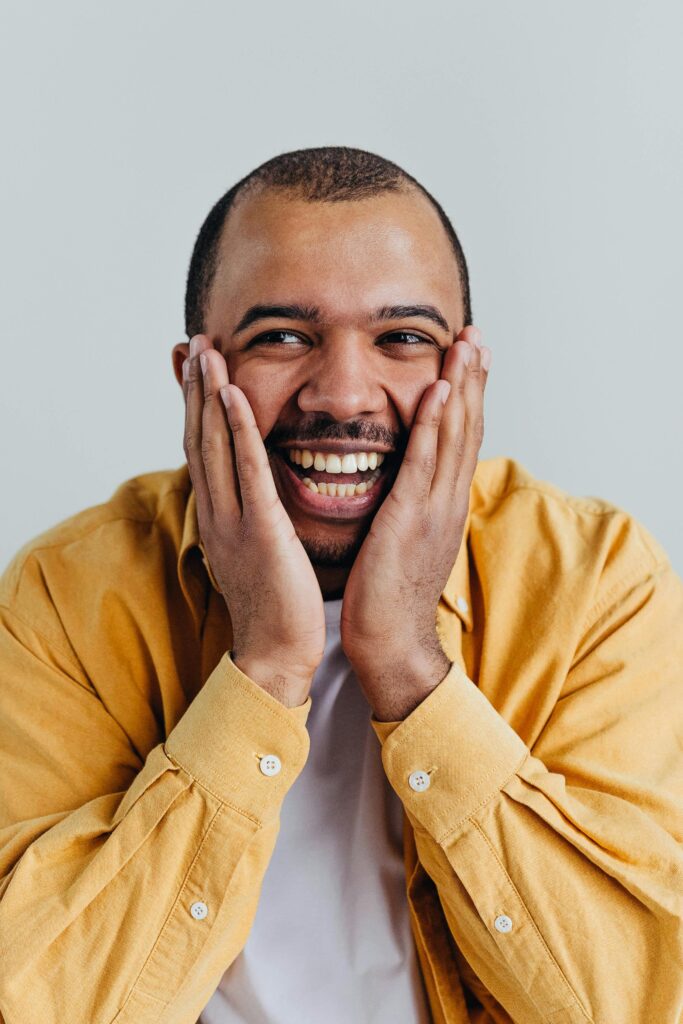
Mental Health
Welcome to WordPress. This is your first post. Edit or delete it, then start writing! Why Mental Health Is Just as Important as Physical Health If you had a broken arm, you would seek treatment. If you had a high fever, you would rest and take medication. But when your thoughts feel overwhelming…When your heart feels heavy…When your motivation disappears… Many people stay silent. Mental health is health. And it deserves the same care, attention, and respect as your physical wellbeing. What Mental Health Really Means Mental health is not just about depression or anxiety. It’s about: How you handle stress How you relate to others How you process emotions How you recover from setbacks How you see yourself Every person — man, woman, or teen — has mental health. And everyone’s mental health fluctuates. Some days are balanced.Some days are heavy. Both are part of being human. The Silent Struggles People Carry Many men struggle quietly because they were taught to suppress emotion. Many women carry emotional and family responsibilities without pause. Many teens feel overwhelmed by expectations, social pressure, and identity changes. On the outside, everything can look fine.On the inside, it may feel chaotic. And that invisible struggle is often the hardest. Common Signs Your Mental Health Needs Attention Constant stress or tension Irritability or sudden mood changes Feeling hopeless or stuck Trouble sleeping Loss of interest in things you used to enjoy Pulling away from people These are not signs of weakness. They are signals. Your mind is asking for care. Breaking the Stigma One of the biggest barriers to mental wellness is shame. People fear being judged.They fear being misunderstood.They fear being labeled. But talking about mental health does not make you broken. It makes you brave. When we speak openly, we normalize healing. When we listen, we build safer communities. Small Ways to Care for Your Mental Health You don’t have to make dramatic changes overnight. Try small steps: Take intentional breaks Journal your thoughts Talk to someone you trust Limit negative self-talk Spend time in supportive spaces Seek professional guidance when needed Healing is a process, not an event. The Role of Community No one heals in isolation. Safe, respectful communities allow people to: Express emotions without fear Share experiences without shame Feel understood without pressure Sometimes the simple act of being heard can lighten a heavy burden. When to Seek Professional Help If you are experiencing intense distress, thoughts of self-harm, panic attacks, or trauma that feels overwhelming, please contact a licensed mental health professional or emergency services immediately. Community support is valuable, but professional care is essential in crisis situations.